From the fastness of my French wilderness I am working to launch a range of kits for platemaking using non-toxic methods. The first kit will launch via Kickstarter in September.
From the fastness of my French wilderness I am working to launch a range of kits for platemaking using non-toxic methods. The first kit will launch via Kickstarter in September.
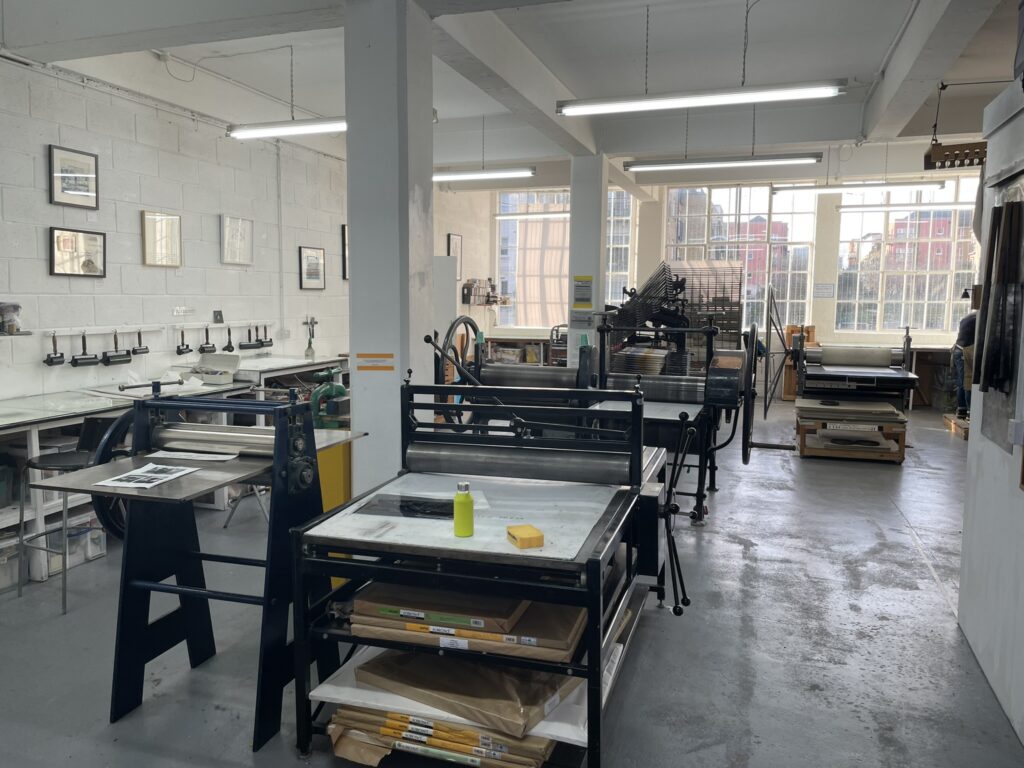
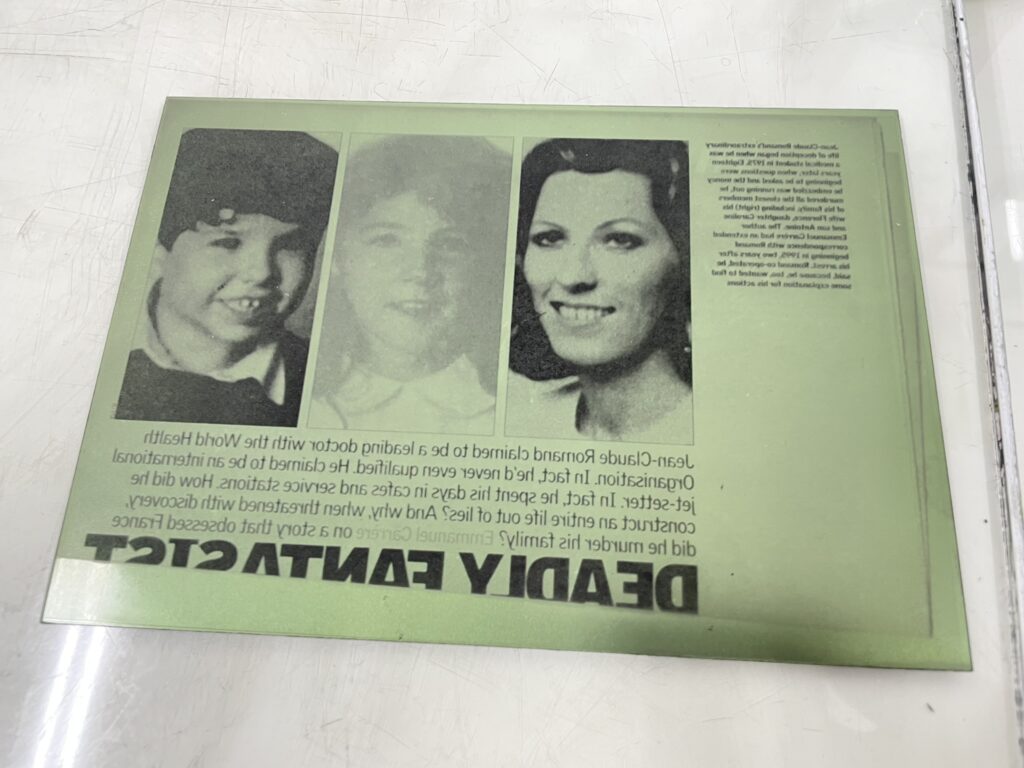
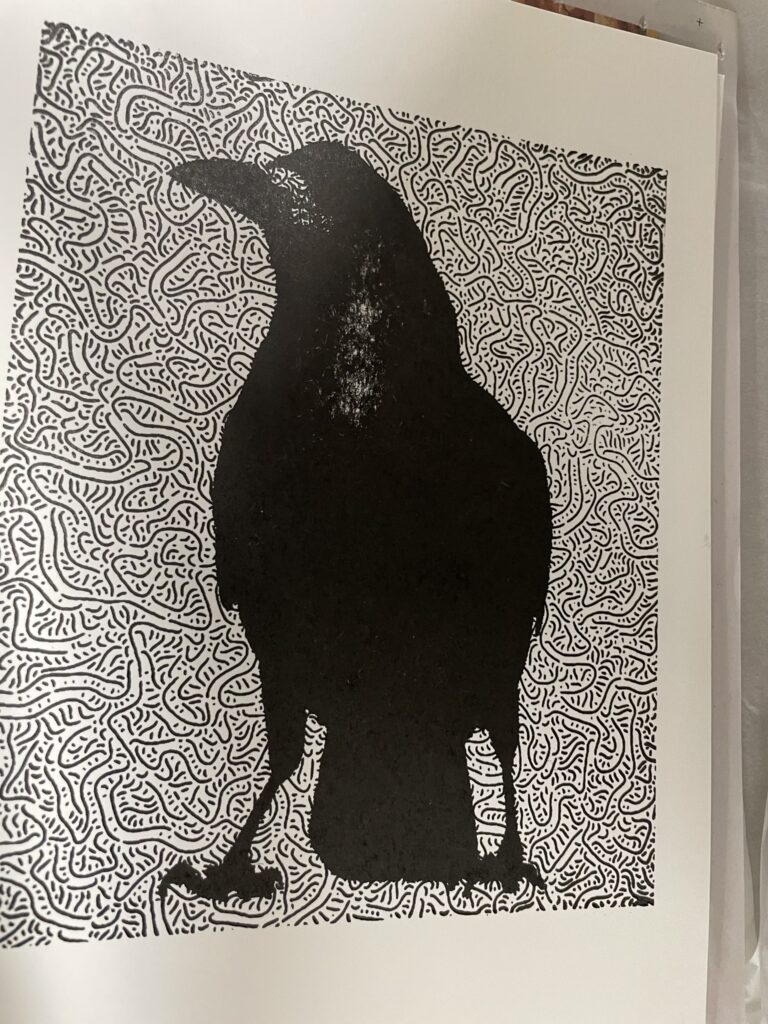
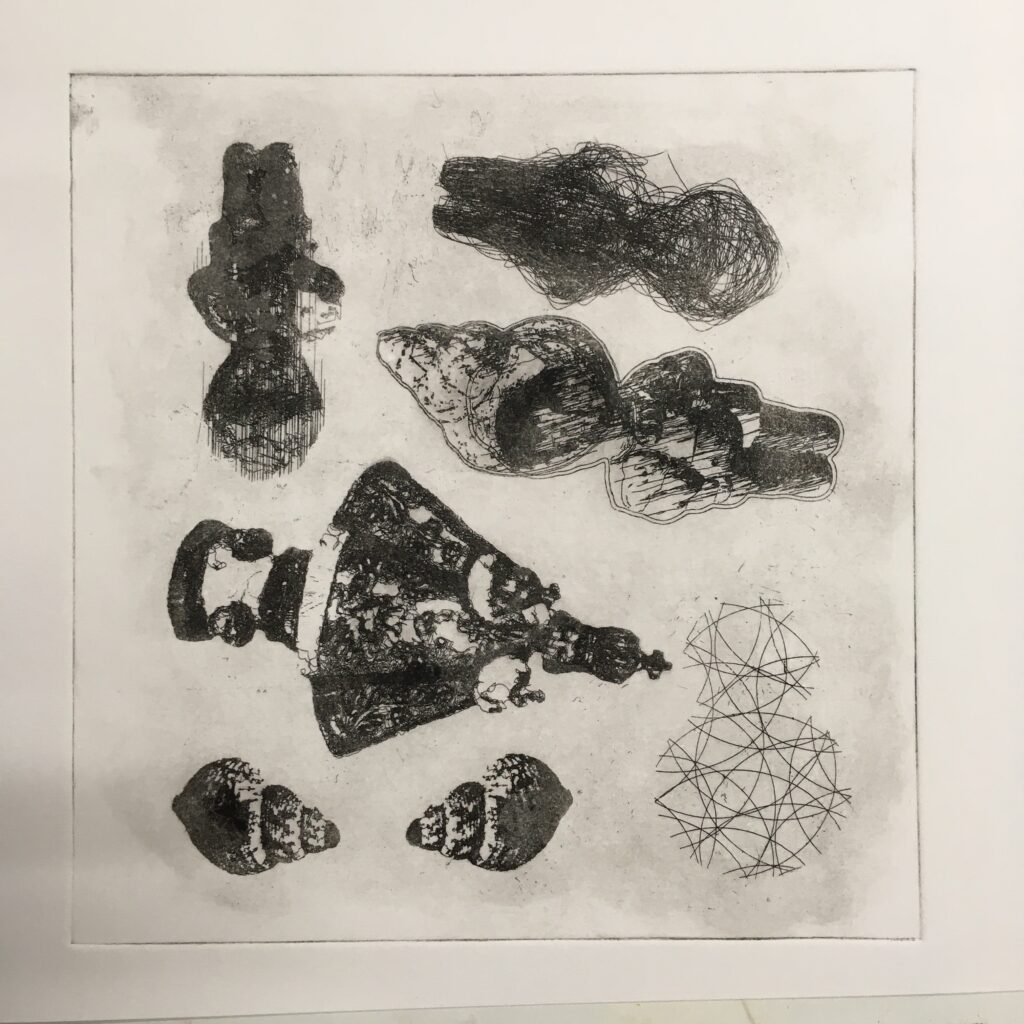
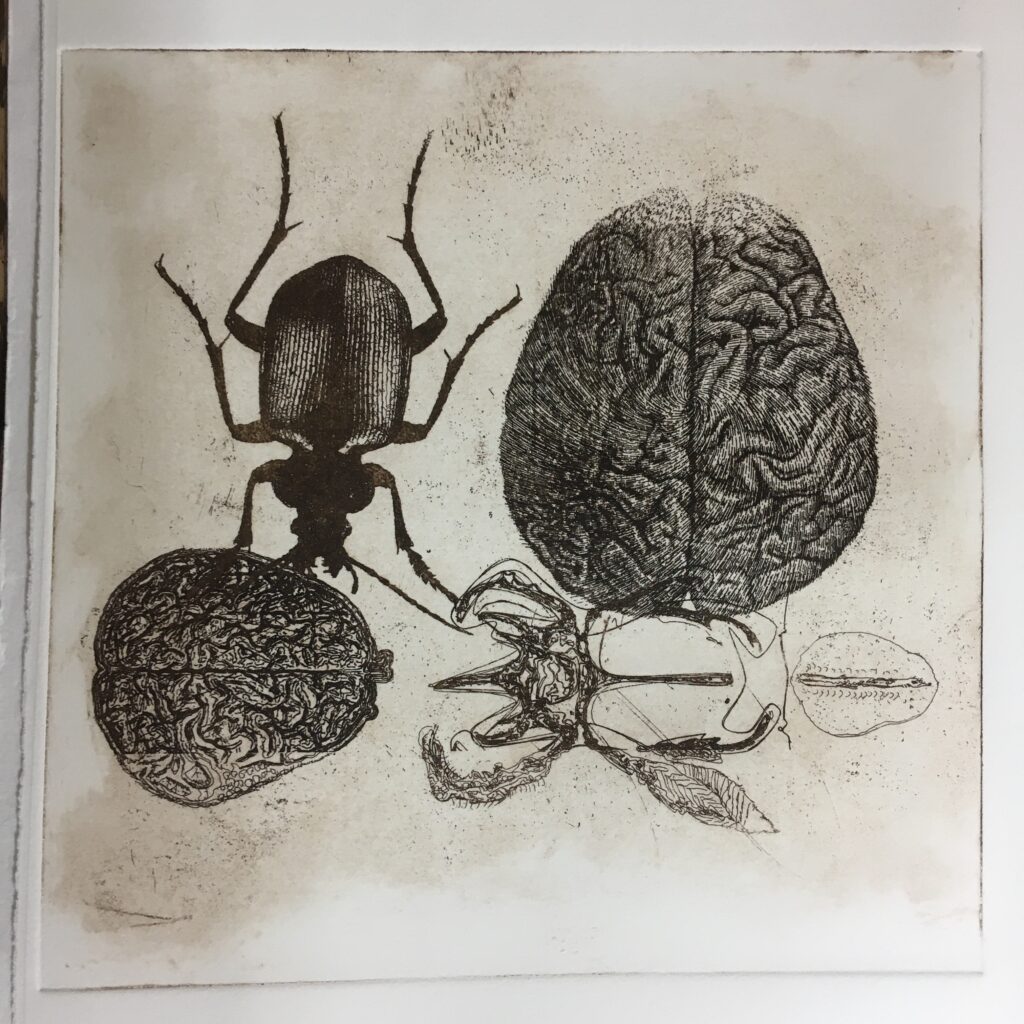
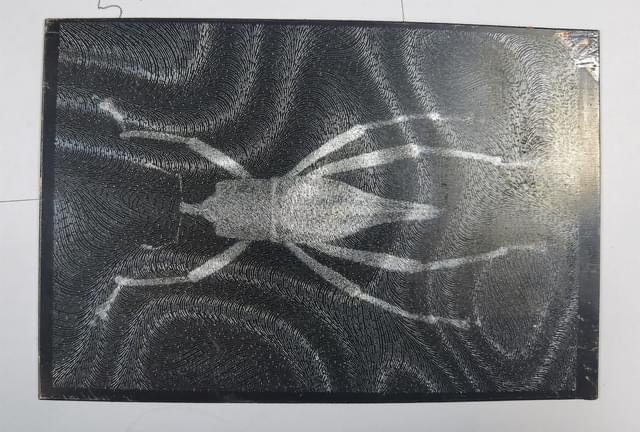
At the end of December I did a one day one-to-one course in Photopolymer printing at East London Printmakers with Rebecca Holmes. I wanted to get my head around using photopolymer plates in my printmaking, something that I’d read a lot about but had difficulty understanding how it worked. Photopolymer is a commercial printing process where an exposed plate can be washed out in warm water, removing the need to etching acids. It offers huge potential for platemaking from a variety of sources. For my teaching day I took along a couple of images, one from a newspaper and one drawn by my Axidraw machine. I had a great day and Rebecca was a brilliant teacher. We made and printed using two different kinds of plates and the results were fabulous. Now I’m gearing up to make some more plates of my own to push my experimentation.
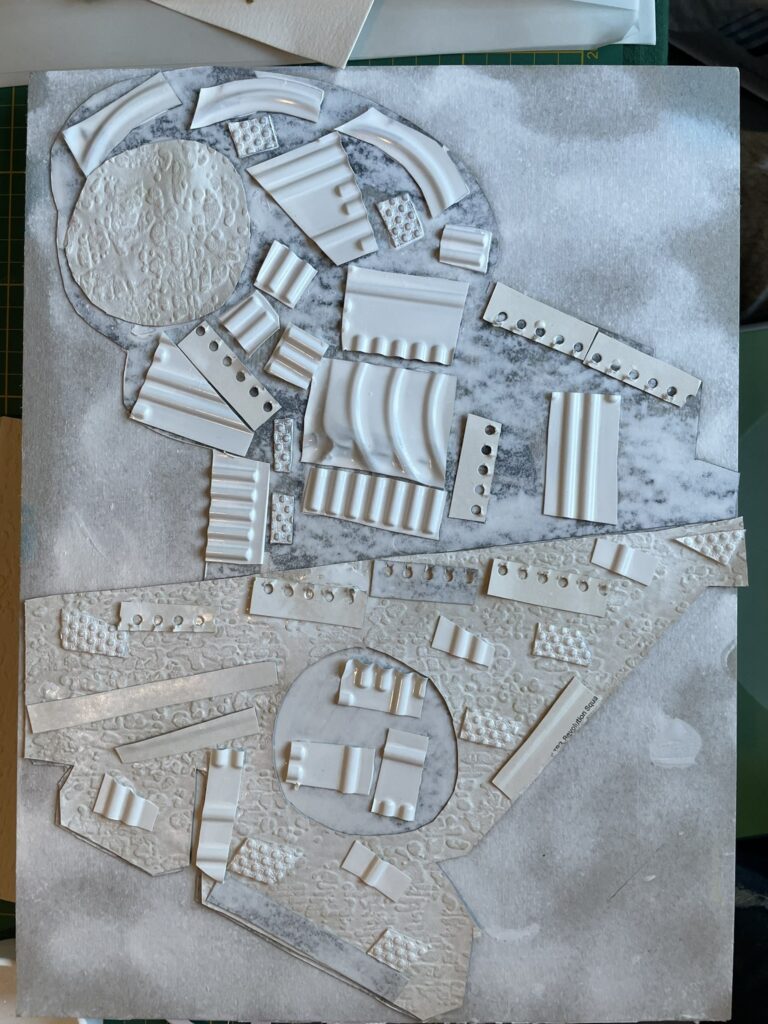
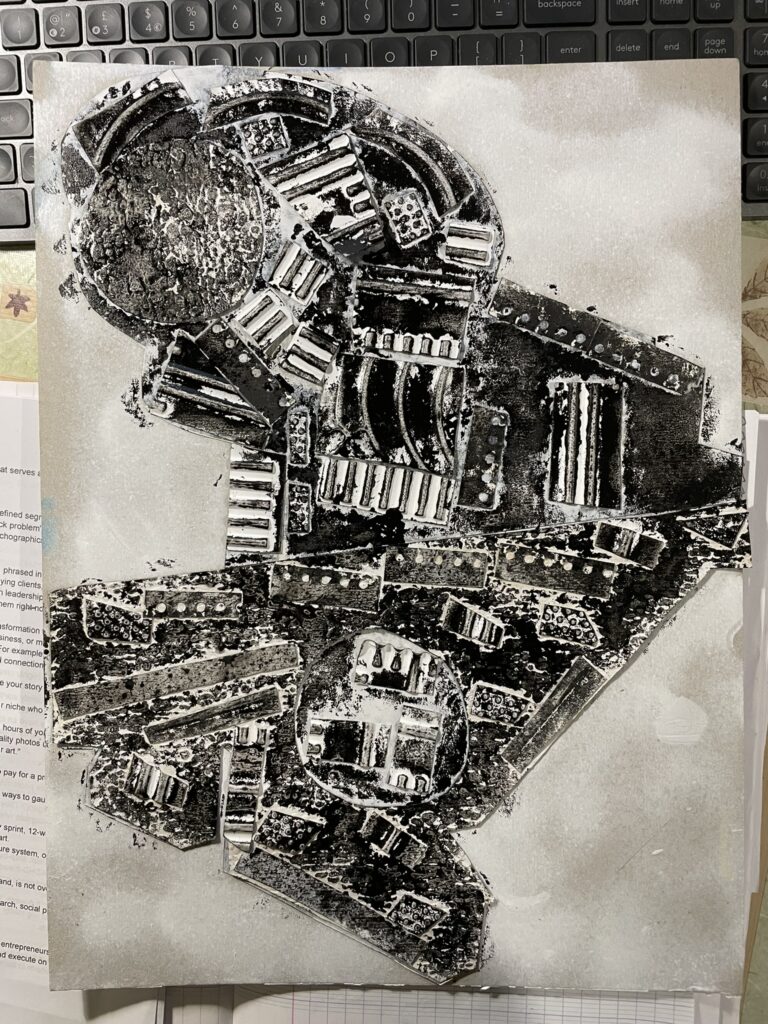
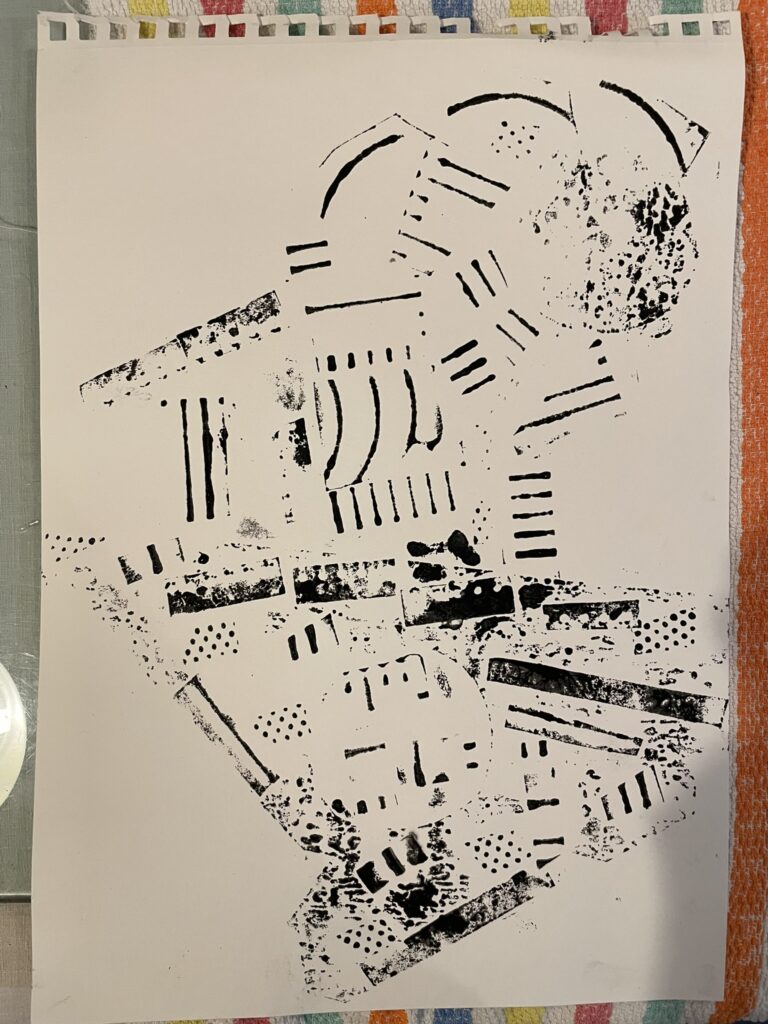
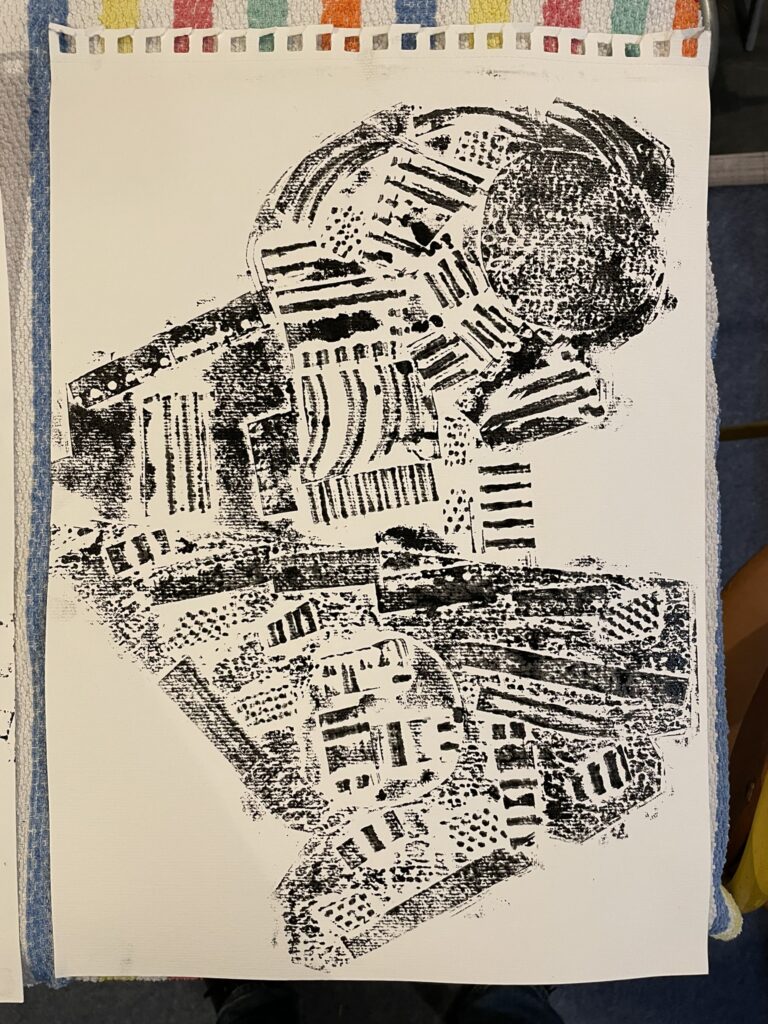
I took a short lesson in collagraph printing. I’d seen it around but had no idea what it was. Turns out you make a plate by sticking textured material onto a ground (from colle, French for glue). People get very creative with this but I decided to stay simple. When asked to bring an image along I chose an old brutalism calendar and I used a combination of two images to make this abstract. I cut up and used plastic packaging.
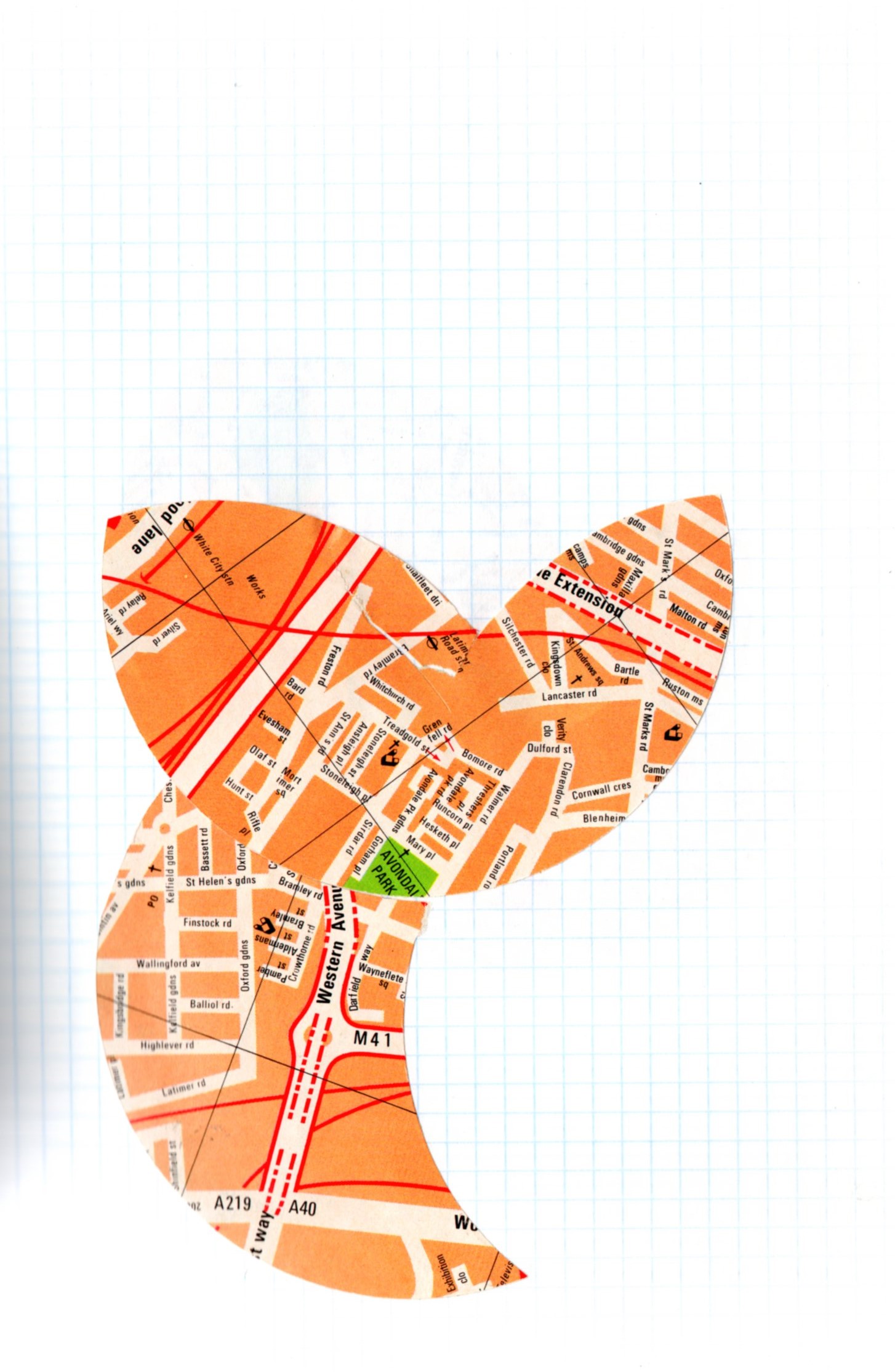
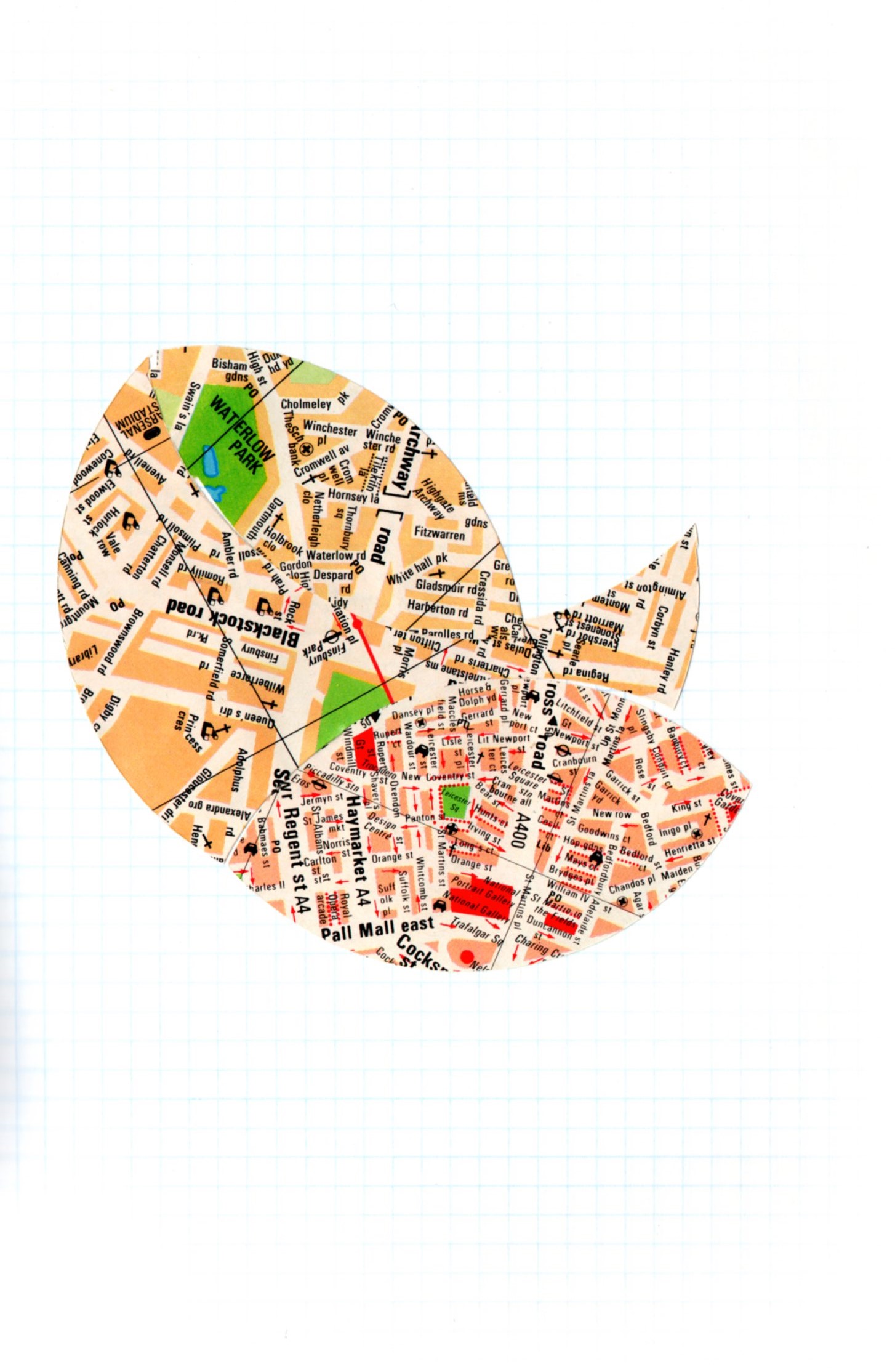
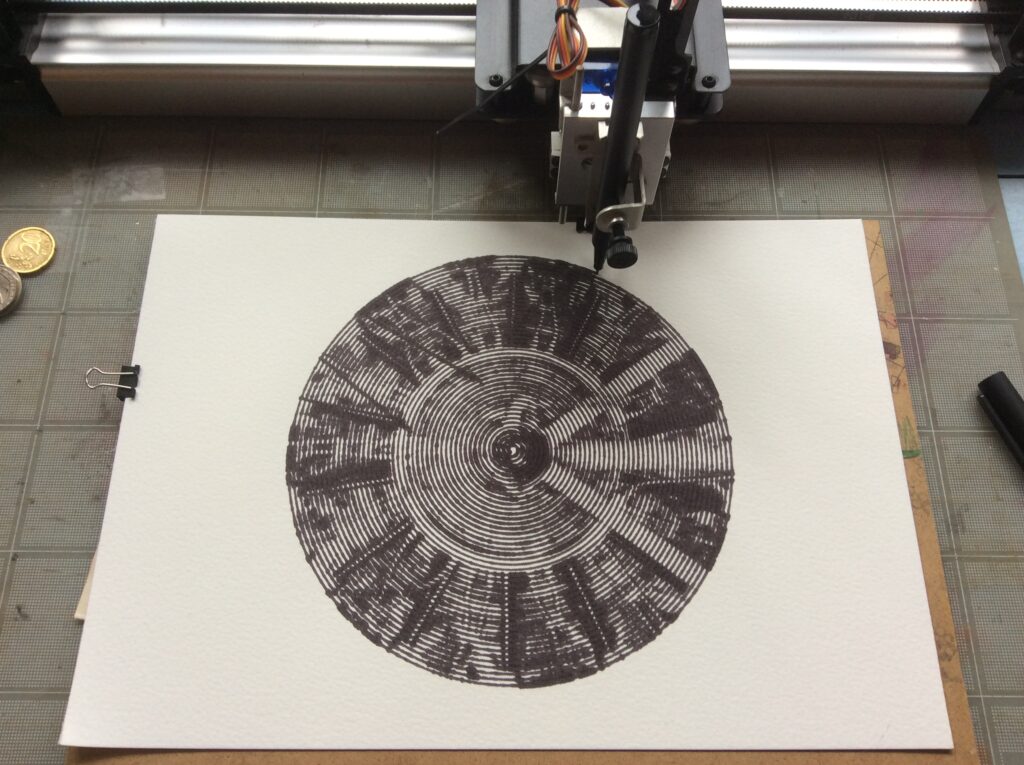
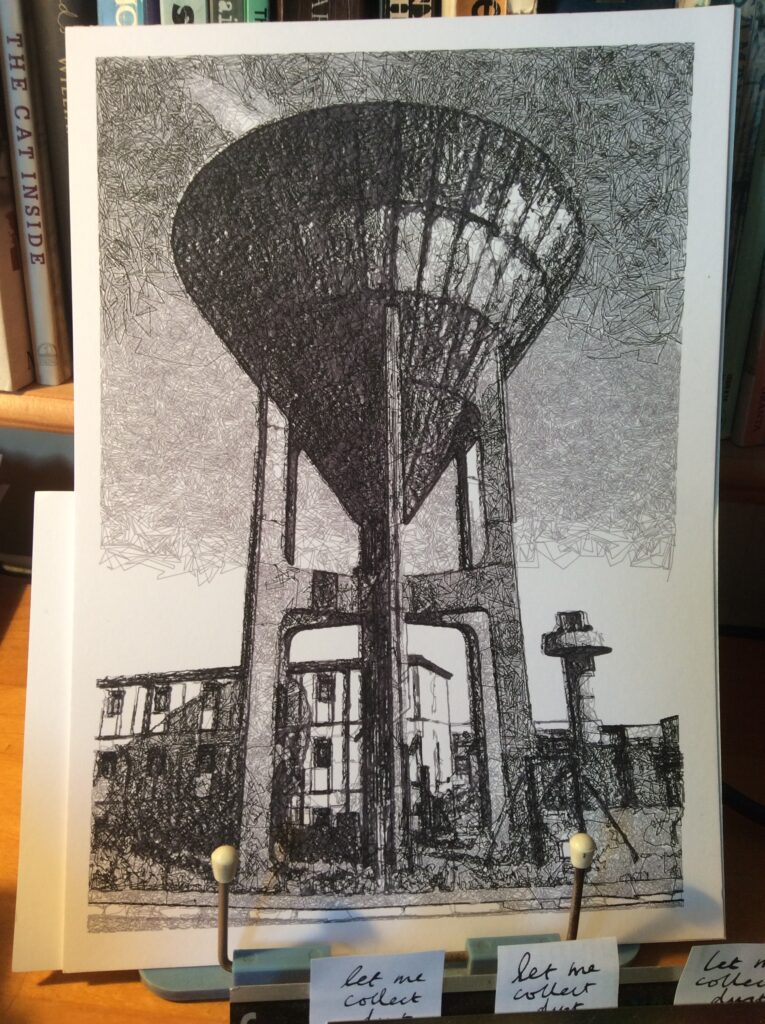
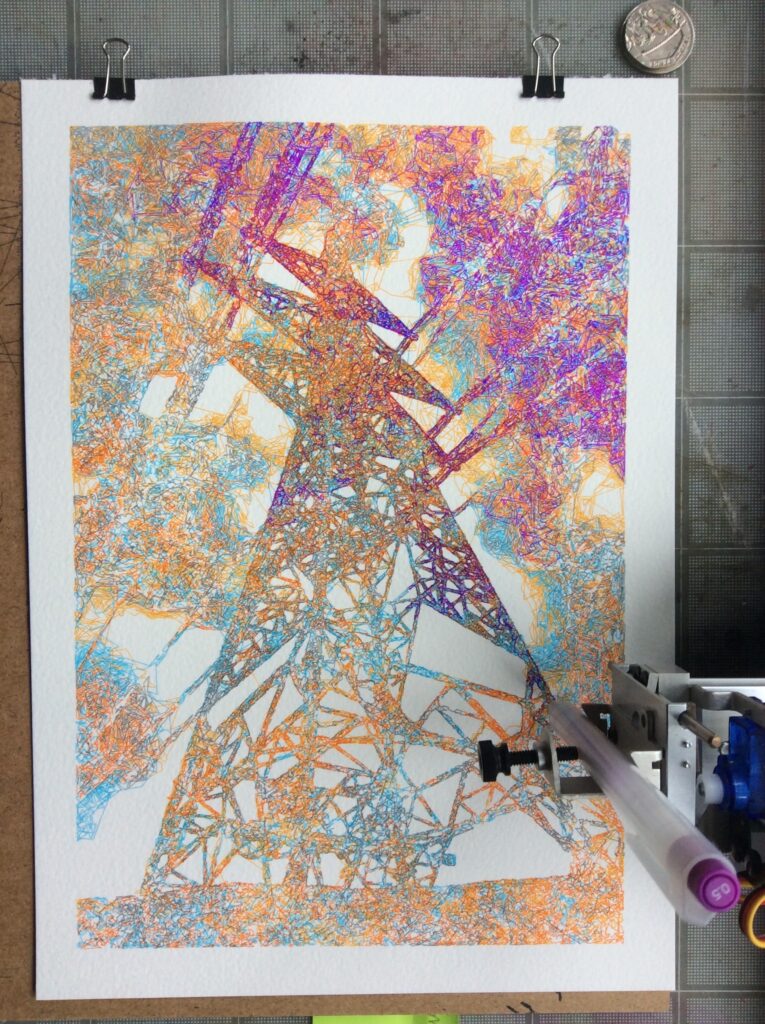
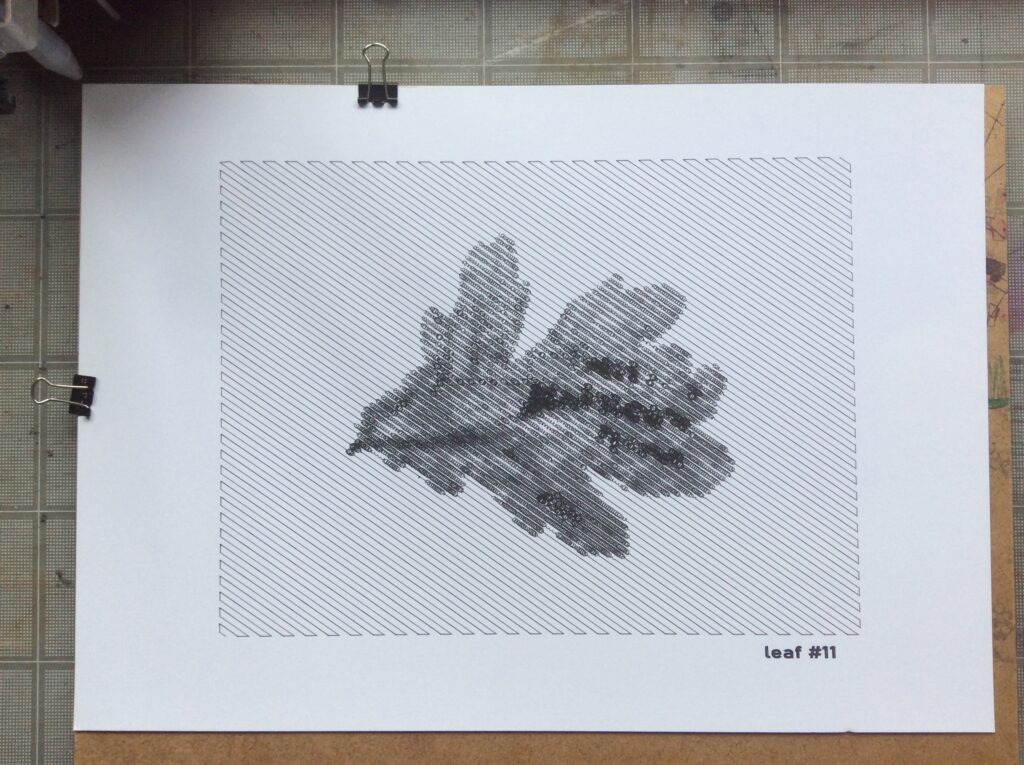
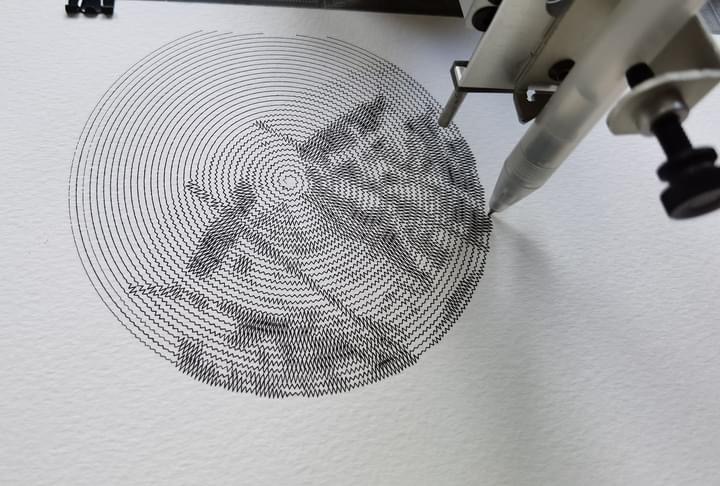
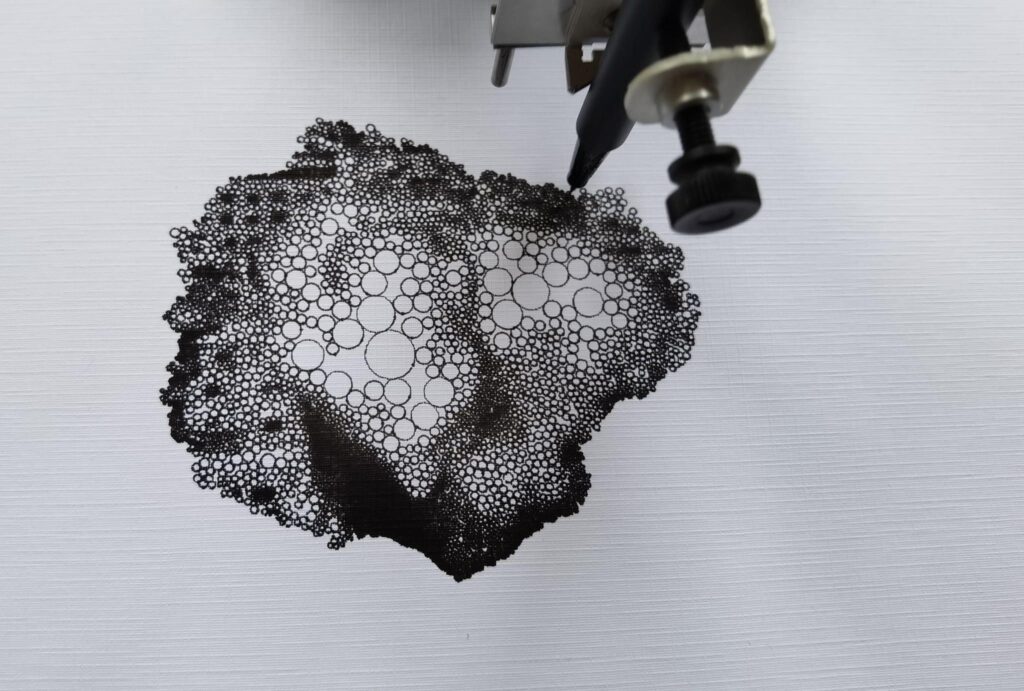
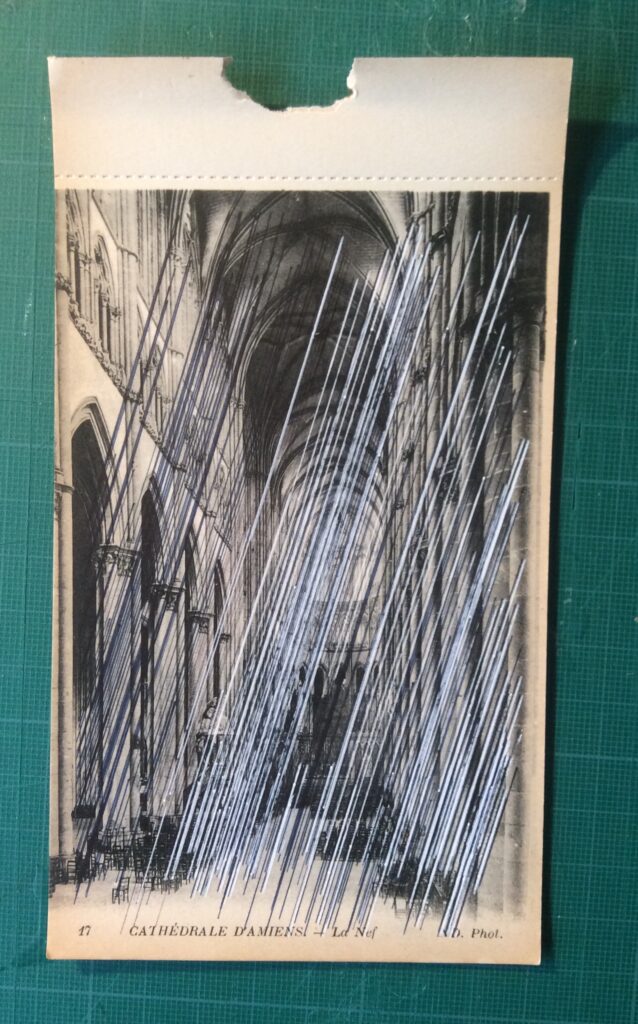
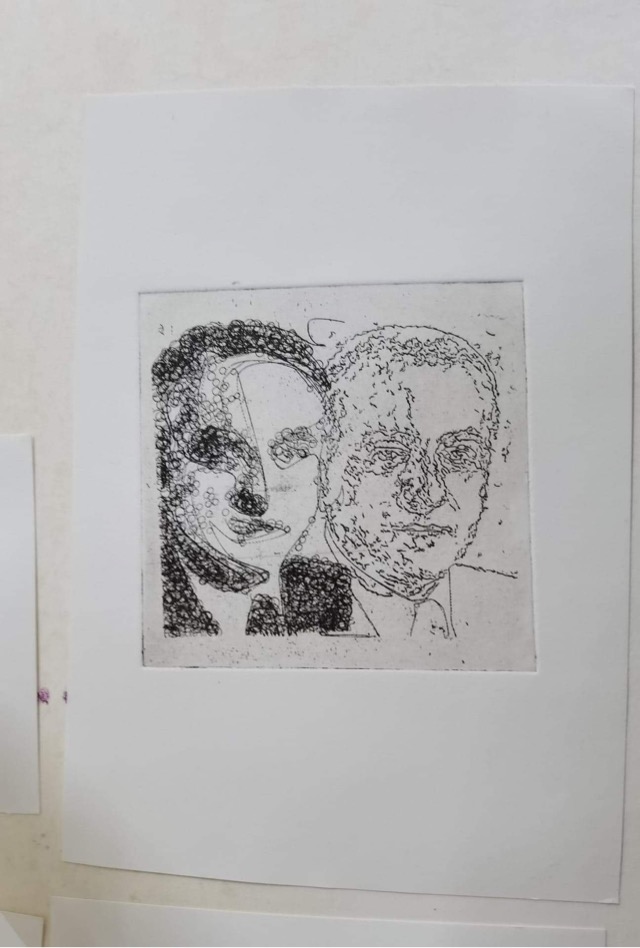
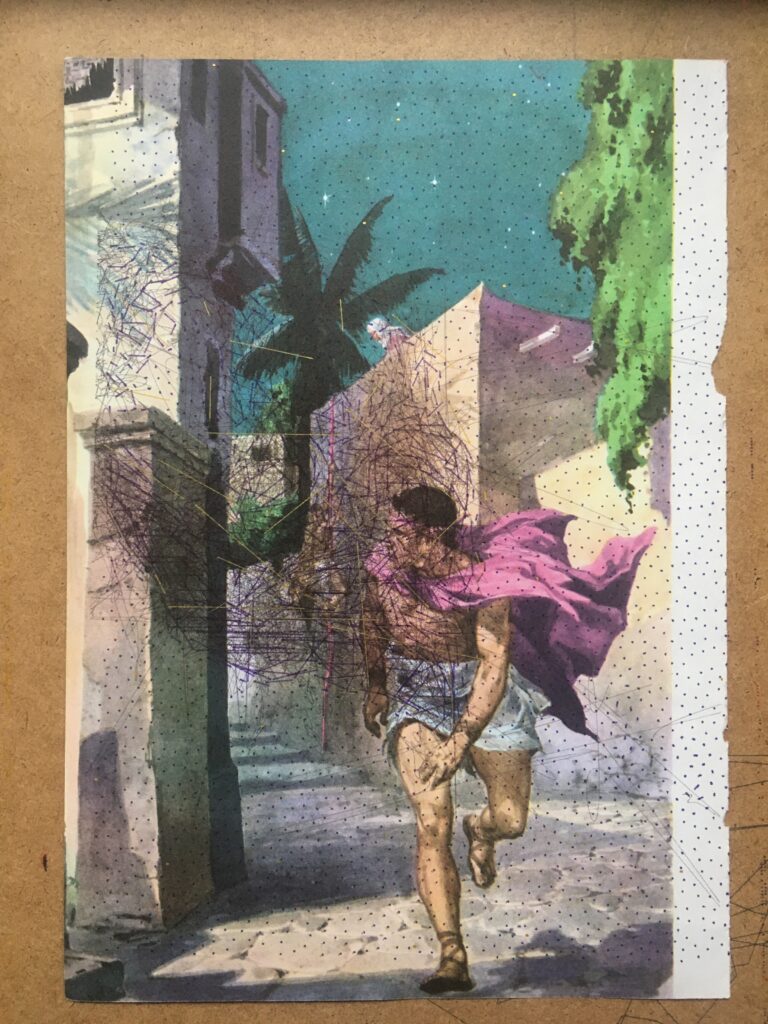
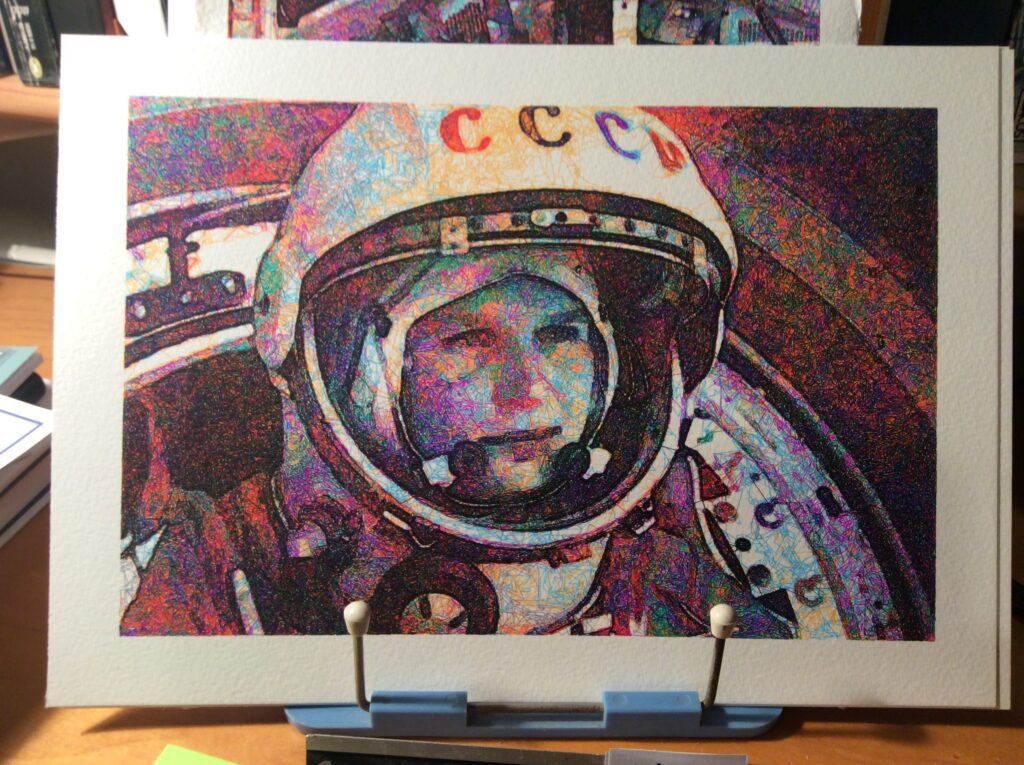
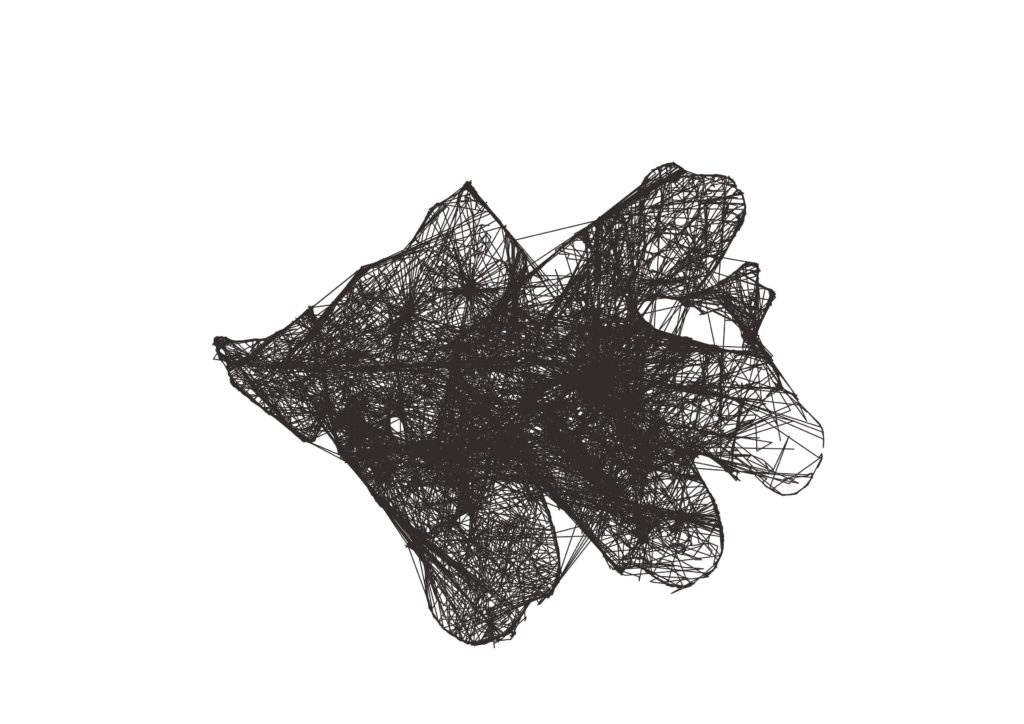
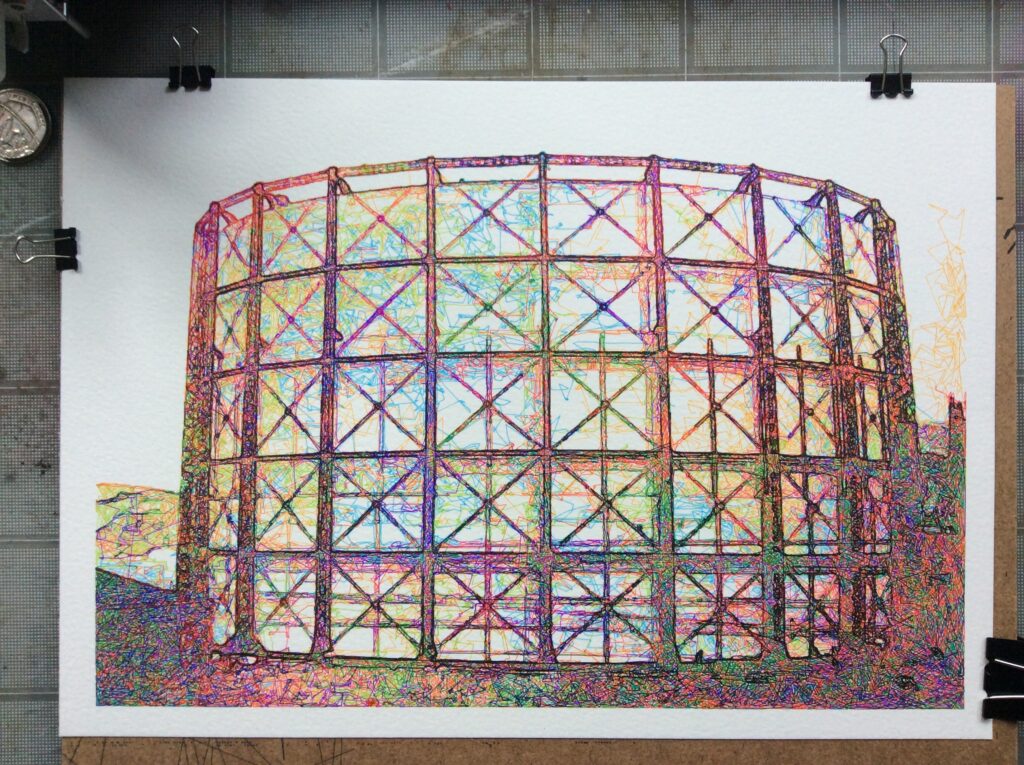
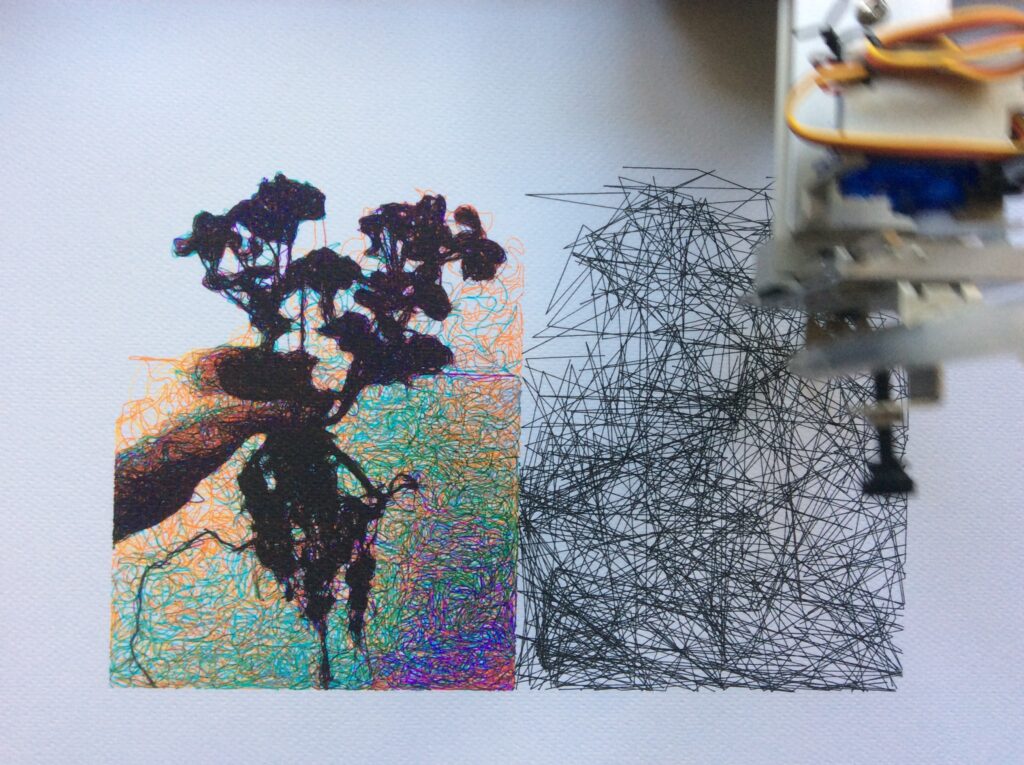
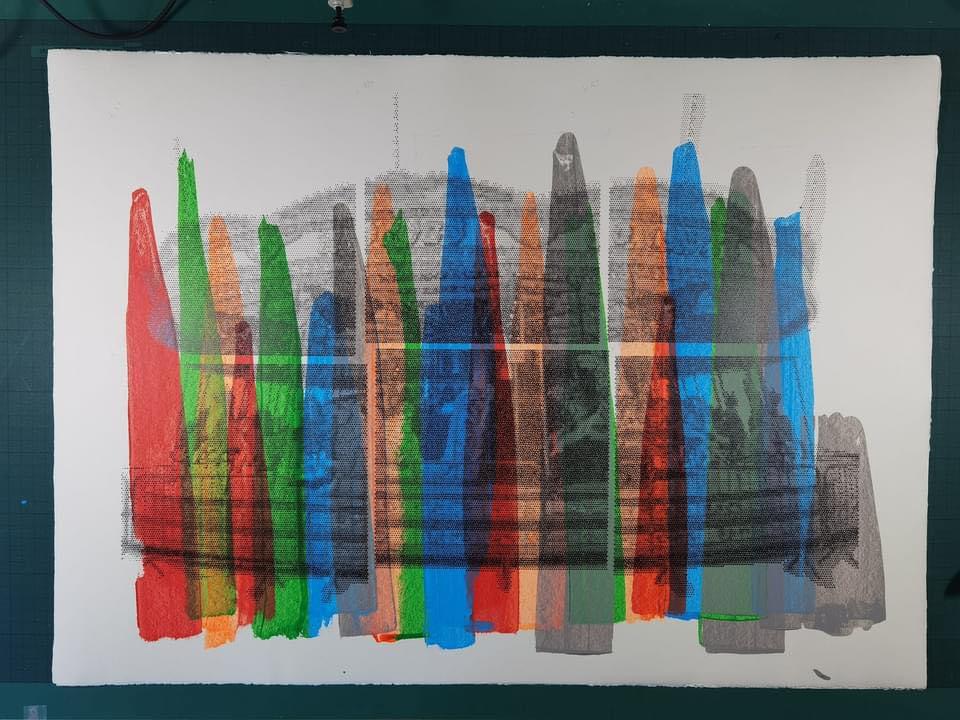
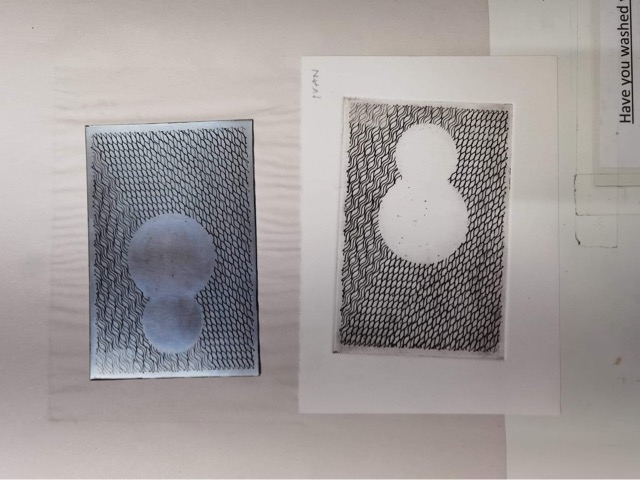
I’ve been making a lot of work with my AxiDraw. Actually, the work is made between found and created images, two or more lots of software, output with the AxiDraw hardware to paper and printmaking processes such as etching and screenprinting.
It’s a complex but lovely process with infinite potential. I would like to teach and watch others take it into their practice.

https://apria.artez.nl/issue/time-matters/

With contributions from Peter Sonderen, Laurie Hermans and Katía Truijen, Ienke Kastelein, Marijke Goeting, Jesse Ahlers, Paula Walta, Claudia Molitor, Liza Rinkema, Terike Haapoja, Alice Smits, Rick Dolphijn, Sharon Stewart, Frans Sturkenboom, Saskia Isabella Maria Korsten, Korsten & De Jong, Joep Christenhusz, Sophie Krier, Christel Vesters, and Monique Peperkamp
Edited by Peter Sonderen, Sharon Stewart and Joep Christenhusz